
⚠️ Important Notice
The information below should in no way replace the treatment of a medical professional. If your baby is showing signs of a painful skin irritation, the redness is spreading, or there is infection accompanied by a fever — seek medical attention or consult your doctor immediately.
The incidence of bum rash is greatly reduced by the breathability of cloth nappies — but there are some instances where you may have to deal with redness. Nappy rash is defined as a patchwork of inflamed, bright red skin on the buttocks.

Common causes of nappy rash with cloth nappies
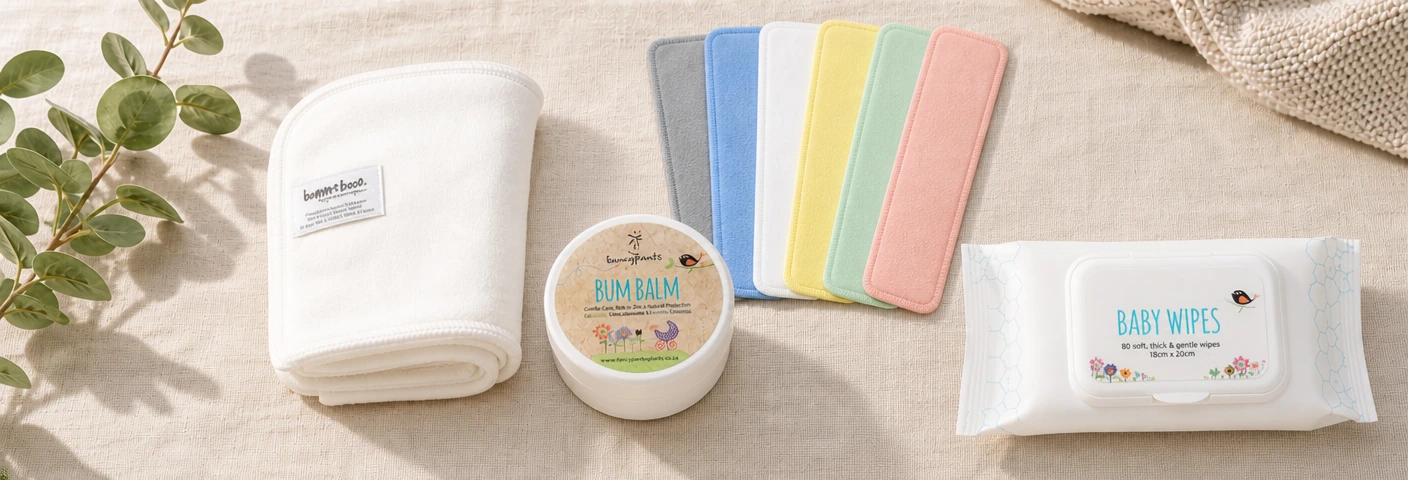
- Sensitivity to wet: some babies are very sensitive to the dampness of cloth nappies. We recommend swapping your Biodegradable Liners for Fleece Liners. These create a soft, dry layer between baby and the wet insert.
- Crease marks: to get a snug fit it can seem like the nappy is too tight as it leaves red marks. These are the same marks you might experience with your own clothes. Monitor baby for signs of discomfort and loosen the nappy if necessary.
- Chafing: this can be the result of wet fabric rubbing against baby’s skin. Make sure you are changing damp nappies timeously. Avoid reusing nappy outers and changing inserts only.
- Bum rash: if you notice redness, check that you are changing baby at the correct intervals.
- Acidic wee: when baby starts teething their urine can become very acidic. Apply a cloth-safe bum balm and change baby often. If you are using a traditional or medicated cream, use fleece liners to protect your inserts.
How long does nappy rash last?
With correct action, a bum rash should clear up within a couple of days. If it is not improving — or you notice it spreading, developing blisters, accompanied by a fever, or baby is continuously upset — please consult your GP.
Tips to prevent nappy rash flare-ups
- Change nappies frequently
- Ensure baby’s skin is thoroughly cleaned between changes
- Use a cloth-safe bum balm
- Give baby nappy-free time whenever possible
- Switch to disposables temporarily to allow healing time
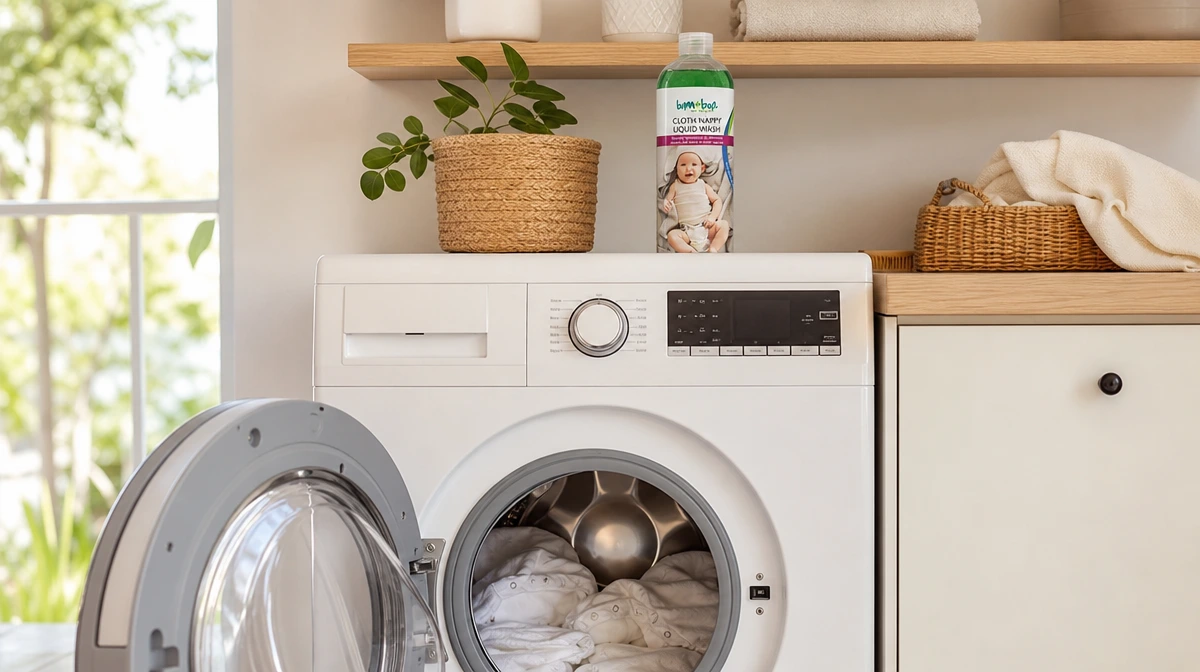
- Make sure your wash routine is providing a thorough wash and rinse
- Reduce highly acidic foods during flare-ups
- Use prescribed medications as instructed by your doctor
What about thrush?
Thrush is a fungal infection that can look similar to nappy rash but needs different treatment. If your baby has been diagnosed with thrush, we recommend the following steps:
- Apply the medicated cream as prescribed by your GP.
- Switch to disposables until the thrush has cleared — this simplifies your wash routine and reduces the risk of re-infection through nappies.
- If you want to stay on cloth:
- Maintain a stringent cleaning routine to prevent a cycle of re-infection.
- Use Fleece Liners to protect your nappies from the medicated cream.
- Wash all possibly infected nappies, wipes, and liners with Super Nappy Wash — it kills 99.9% of bacteria, fungi, and thrush spores.
You’ve got this
Nappy rash is one of those things that sounds scarier than it usually is. Most cases clear up quickly with a few simple changes — a liner swap, a bum balm, and a bit of nappy-free time on a sunny afternoon. Cloth nappies are breathable and gentle on baby’s skin by design, and the vast majority of cloth nappy parents find their babies experience far less rash than they did in disposables.
If you’re ever unsure, your GP is always the right call. And if you have questions about which liners or products work best for your baby’s skin, we’re happy to help.